
Wired to Heal
A collaborative exploration of healing and the deep interconnectedness of body, mind, and spirit.



For years, I’ve described the feeling of being trapped beneath a heavy blanket, unable to breathe, weighed down by anxiety no matter the amount of inner healing and work I put in.
I tried EMDR1 but only made it two sessions in and was blocked by the inability to visualize a peaceful safe place. I asked if reading a book counts, or maybe riding a scooter. But the closest I could get was my bedroom when the world would turn off and everything was dark.
My body has been holding so much trauma, reflexively always wound up. Every time my husband would ask if I felt relaxed or a friend would point out a grimace, my gut reaction was anger—because I couldn’t even conceive of what stillness was.
Every day I was in a fight. With myself. With my body. Constantly I’ve had to choose against my feelings and try to ignore the discomfort because I especially didn’t want my kids to be afraid of sand, or dirt, or feel in a rush in life.
Despite how often I have gotten to experience amazing trips to the beach, every excursion drained me. Though I hid it, each sensation would make my skin crawl, my toes in the sand, the sounds all around me, the climbing agitation of what am I supposed to be doing, the qualminess of where do I belong, the need for desensitizing motion, and the ever present furtive glances at the clock, begging time to speed up and tick by so these sensations would end.
Only two weeks into neurodevelopmental therapy2, I’m realizing how much of my unease wasn’t just mental—it was my body itself. My nervous system treated every stimulus as a threat, keeping me locked in a constant state of fight or flight. My body was always on edge, refusing to let go.
But I’m beginning to feel relief with things like morning interactions, small talk, clutter, crumbs on the floor, crying or screaming kids, overlapping conversations, the feel of my clothes, and even just sitting or standing.
I am humbled that today at the beach, I was grounded and at ease in my skin and was able to really enjoy the time.
So much to be grateful for.
I wrote the above last February. Reading it now feels a little surreal because I can hardly recognize the person inside it.
When I think now about being “wired to heal,” I realize healing is far more layered than I once understood. Physical. Neurological. Emotional. Relational. Spiritual. None of these exist entirely separate from the others.
Over the last year, I’ve started realizing just how interconnected we are as humans. Our bodies affect our minds. Our relationships affect our nervous systems. Our thoughts affect our physical health. Our spiritual lives shape the way we carry suffering, fear, rest, hope, and love.
The more I started learning about neurodevelopment, nervous systems, sleep, trauma, spiritual formation, community, and prayer, the more curious I became. Because suddenly healing looked far bigger and more beautiful than I had previously imagined.
Why do some people heal quickly while others stay trapped in cycles of pain for years? What role do safety, community, sleep, trauma, surrender, neuroplasticity, prayer, and spiritual formation actually play? What has God already built into the human body and soul that we often overlook?
So rather than writing this piece entirely from my own perspective, I wanted to invite several people from different backgrounds and areas of expertise to speak into the conversation.
Each approaches healing from a different angle. Yet together, I think they reveal something beautiful:
We really are wired to heal.
So what does that mean exactly?
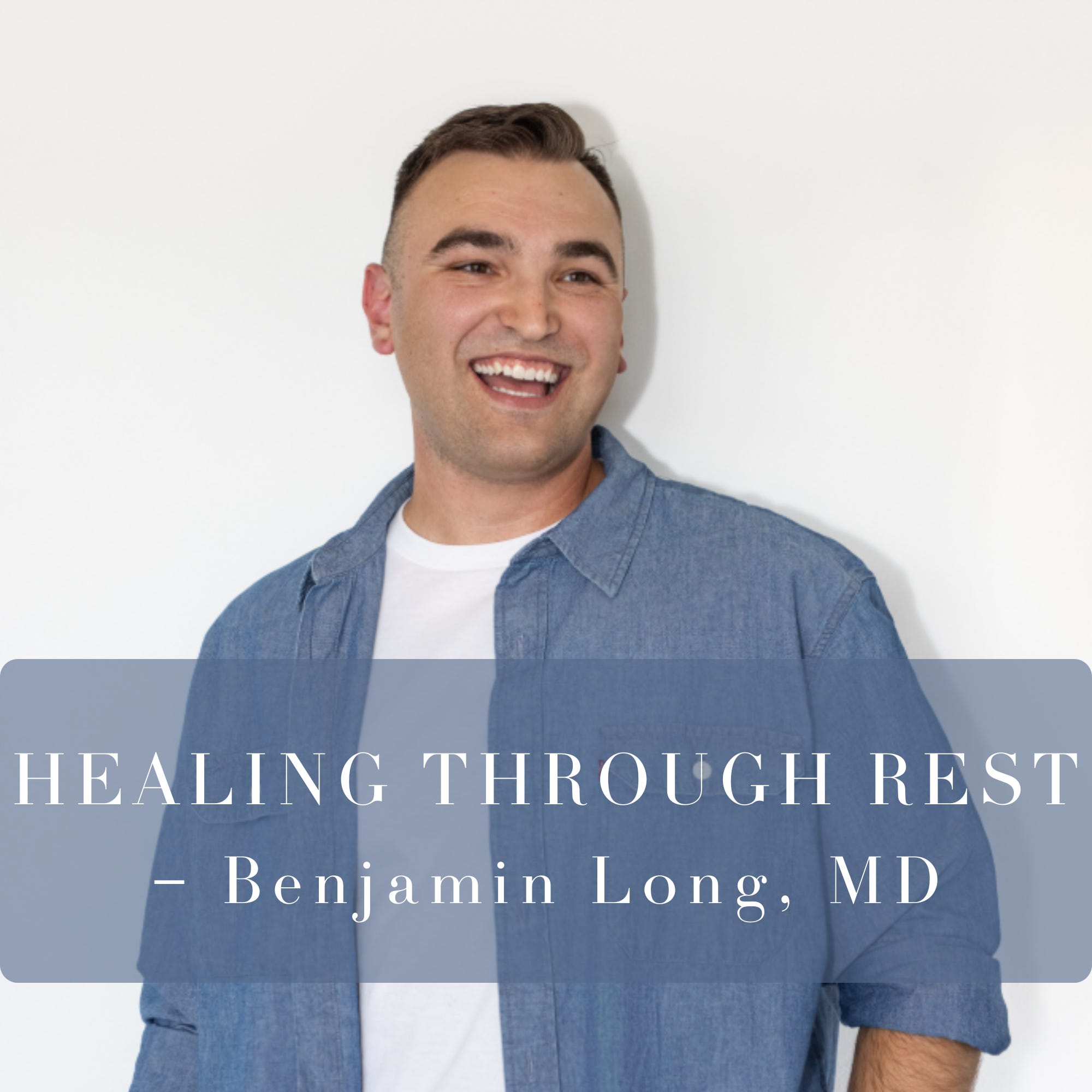
I’m a dual board-certified physician in sleep medicine and general pediatrics. As such, I get to help people of all ages—from infants to the elderly—with their sleep problems. It was while accompanying individuals on their journeys through the sleepless night, as well as through my own journey of integrated practice, that I was inspired to explore the intersection of sleep health and Christian theology by attending seminary. This eventually led to the publication of my debut book, Sleep Habits Journal: Practices, Prayers, and Devotions to Ease Your Sleepless Nights.
From these experiences, I now view healing as more than merely a return to bodily health or, in the case of insomnia, simply getting better sleep. Healing is more expansive. It involves who we are as spirit-body creatures, made in God’s image, existing in a particular time and place and embedded within particular communities.
Rest is essential to healing because it is essential for life. A heart must rest in order to beat again. A muscle must rest before it can grow stronger. We rest before we enter sleep. Our minds need stillness, boredom, quiet, and—of course, the sleep doctor must mention—sleep. One common misunderstanding about sleep is how deeply it points to our creatureliness.
Sleep is an important reminder of our limitations. Technology, productivity, and efficiency whisper promises in our ears that they cannot deliver. They convince us that, under the right circumstances and with enough effort, we can become like God, who never grows “tired or weary” (Isaiah 40:28) and never “slumbers nor sleeps” (Psalm 121:4). But we are not our Creator. We are creatures, as Karl Barth reminds us, who “take [our] place ... in the company of beasts and plants and stones.3” Although stones do not sleep, the remainder of living creation exists in a rhythmic solidarity of waking and activity contrasted with sleeping and quiescence—even down to the cellular level. When we do not live in accordance with our limitations, it is detrimental to our physical, emotional, and spiritual health.
Ignoring the gift of sleep has consequences. For example, there is a growing body of scientific literature demonstrating the connection between sleep and empathy. In one study by Guadagni et al., individuals who experienced a night of total sleep deprivation were significantly less empathetic than those with typical sleep4. Regarding spiritual health, the inverse relationship—how religion impacts sleep—is more commonly studied. An article by Hill, Deangelis, and Ellison provides an overview of this connection. Specifically, religious service attendance, frequency of prayer, religious importance, a view of the body as sacred, and belief in God’s control have all been associated with improved sleep5.
Sleep is a gift from God that restores our bodies and minds. By its very nature, sleep refreshes us, and this refreshing quality points us toward God’s sustaining power. To sleep is to experience God’s sustaining power in your body. Why does He give us sleep? Because He loves us, as we are reminded in Psalm 127:2: “For He gives to His beloved sleep.”
But what if your sleep is not refreshing? What if you do not get anywhere close to the recommended seven to nine hours for adults? Does this necessarily mean you are outside of God’s love? Certainly not. It means you are a vulnerable creature living in a world abounding with brokenness.
No matter how “insufficient” the amount of sleep you get may seem, that does not mean it ceases to be a gift. You may not feel refreshed, but that does not mean you received nothing. Humans participate in learning and acquiring knowledge, but it is partly through sleep—even insufficient sleep—that information becomes something you truly know6. Quite literally, human understanding depends upon a process over which we have absolutely no control. God gives us understanding in our sleep.
Even something as mundane as remembering what you had for breakfast yesterday is part of the gift of sleep. It is by God’s grace that we go to bed with a problem or a sorrow but awaken with a perfect solution or a little more hope. It is by God’s grace that an artist or musician finds inspiration in a dream, or that a grieving mother receives another opportunity to hug the child she has lost. To experience these gifts of sleep—no matter how small or infrequent they may be—is to experience God’s love in your body. And it is by that love that we are wired to heal.
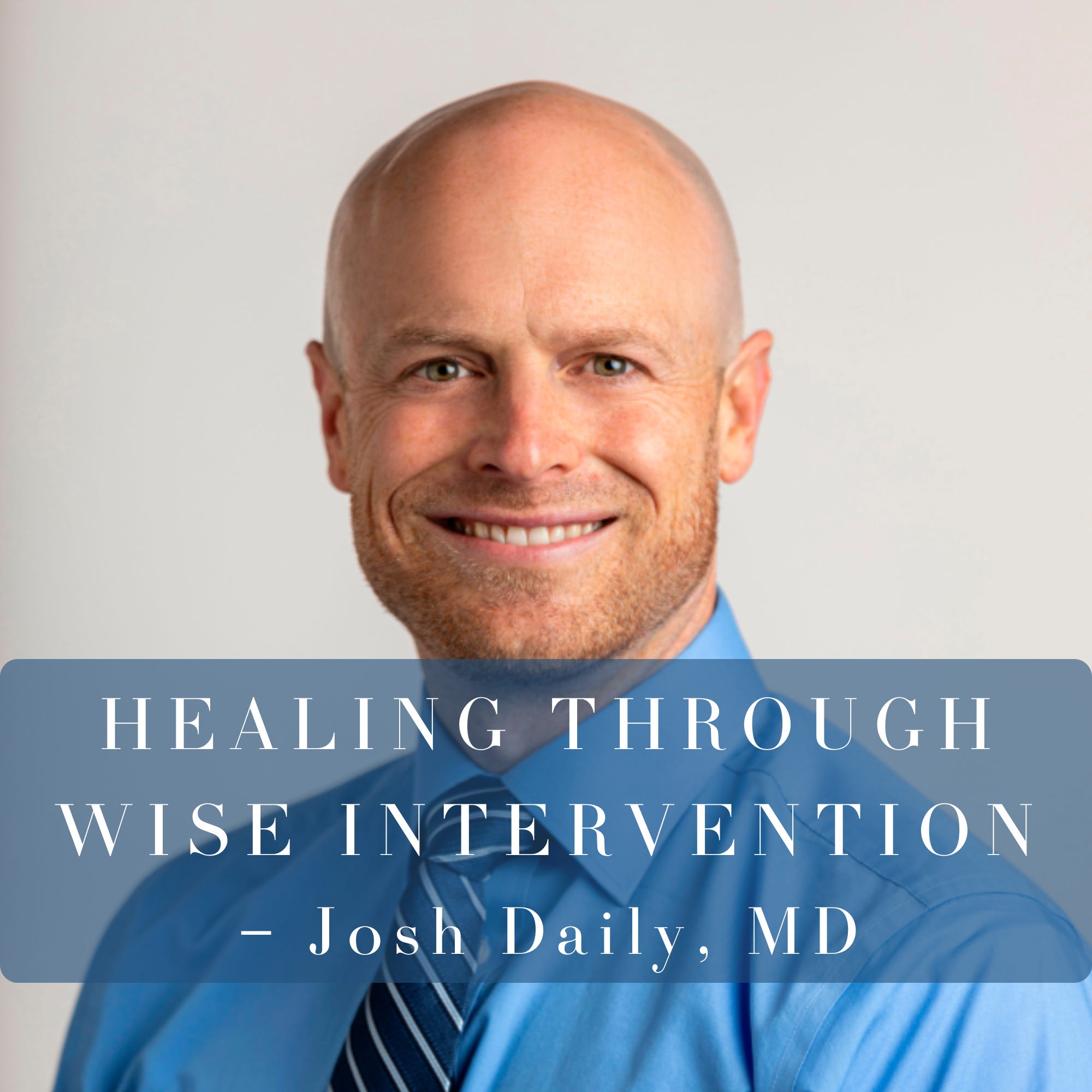
I’m a pediatric cardiologist, so healing is central to my vocation. I care for infants and children with heart disease, often congenital. Many of these children need surgery, catheter-based procedures, medications, or long-term monitoring. So much of my work involves deciding what kind of healing is needed, when, and what risks are worth taking to pursue it.
One thing medicine has taught me is that identifying pathology does not automatically mean intervening immediately. Sometimes the wisest thing is to wait and watch because the body may heal or adapt on its own. Other times, waiting becomes dangerous, and real healing requires intervention. That intervention may be painful, risky, and frightening. In pediatric cardiology, we can err in either direction. We can rush too quickly to fix what might heal with time, or we can avoid necessary intervention because we fear the pain and risk involved.
That has shaped how I think about healing in other domains. Emotional and spiritual healing often require the same kind of wisdom: knowing when to give time and space, and knowing when love requires us to step into something painful.
At the deepest level, Christians believe the human problem is not merely informational or psychological, but spiritual. We are sinners who cannot save ourselves. The way of Jesus is paradoxical: we die to live, surrender to be free, release control in order to receive life. That is beautiful, but it is also deeply unsettling. Many of us would rather manage ourselves than surrender ourselves.
Psychology helps explain why this is so difficult. We are not purely rational decision-makers. We choose what brings short-term emotional relief, even when it undermines long-term healing. We fear loss more than gain, so letting go of control or security feels threatening, even if it leads to life. Repeated patterns become familiar, and familiar pain can feel safer than unfamiliar healing.
Underneath much of this are deep longings and insecurities. We were created in God’s image for intimacy with Him, meaning, and love. Those desires are echoes of what we were made for. But we often attach them to things that cannot bear their weight. We build identities around being competent, admired, or in control. Once our identity depends on those things, we make distorted decisions to protect them.
One thing we often misunderstand is that insight is not the same as transformation. Right belief matters deeply, but real change usually comes as the Holy Spirit slowly forms us through Scripture, prayer, worship, community, and suffering. It also requires recognizing that we live in a spiritual battle, where resistance and discouragement are not always merely psychological. Healing requires surrender, courage, and a willingness to walk through pain.
Humans are wired to heal because we are made in the image of God, who is not only the Great Physician but the Great Restorer. The arc of Scripture points toward resurrection and renewal: Jesus risen from the dead, His people raised with Him, and ultimately the restoration of the heavens and the earth. God has promised to make all things new. So when we long for healing in ourselves, our relationships, and the broken world around us, that longing reflects something true about what we were made for.
That also means restorative work is deeply meaningful. God calls each of us, in different ways, to confront the brokenness woven through creation and participate in His work of renewal. I feel this often in my work as a pediatric cardiologist. There are few things more meaningful than stepping into the life of a family facing the illness or possible death of a child and bringing whatever competence, compassion, and care I can offer. Much of my work, like anyone’s, is frustrating and ordinary. But in those moments, I feel something of the pleasure of God, deeply engaged in the work of my Father.
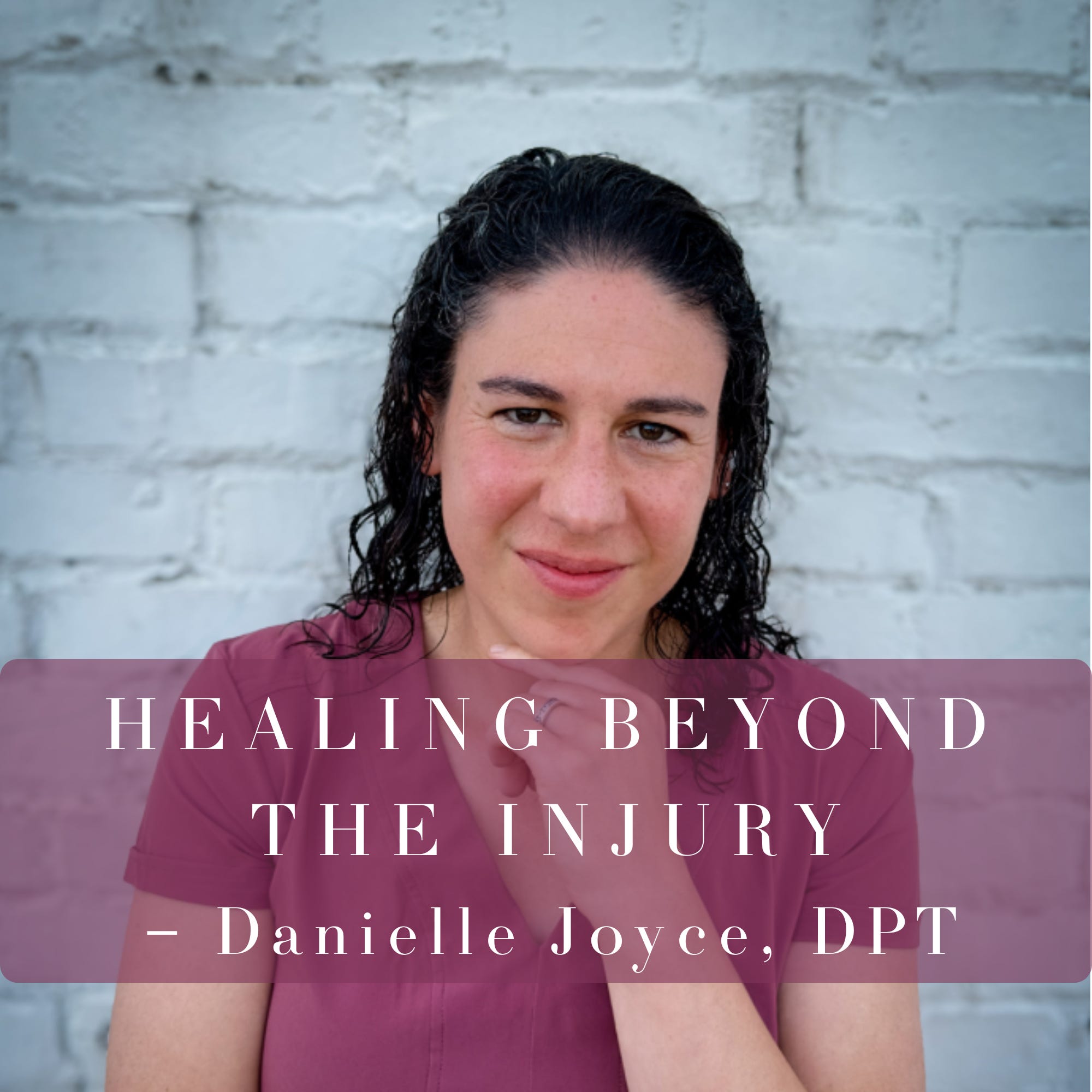
I’ve worked for over a decade as a Doctor of Physical Therapy and have an undergraduate degree in biology, physiology. I learned a structural and functional framework for how the body operated. Once I started clinical work, I observed a huge variation in how patients actually healed and recovered compared to how the textbooks described. This sparked my curiosity to continue learning and discovering how we are fearfully and wonderfully made.
There are at least four layers that are affected and work together during healing from an injury. The first are the local tissues that are damaged at the moment of injury. The second are the adjacent tissues and joints that may weaken or compensate in response to the initial injury. The third are systemic factors (circulation, inflammation, metabolism, overall bodily health) that affect healing. And the fourth is the role of the brain in processing the pain and injury.
In healing, we often overlook the importance of those third and fourth layers. Sometimes we get fixated on what is happening at or around the site of injury and think of our body like a simple machine, that we can just fix a part, and we’ll be better. But we are far more complicated. Sometimes, the tissue itself has actually healed, and the problem is in how our bodies are processing the pain. Our brain can unconsciously act like a faulty smoke detector that continues to go off even after the fire is extinguished.
One thing I’ve learned is that ongoing emotional and social stressors often delay or stall healing, alter our pain processing, and transform acute pain into chronic pain. That said, we are wired to heal best when our bodies and minds feel safe and connected to others.
As a Christian, I believe this aligns with the Shalom, or wholeness, that God created us for: we are primed to heal when we are filled with peace and a loving personal presence (safe and connected), though that does not mean healing always comes in the way we hope for or on the timeline we desire this side of eternity, something I explore more deeply in my “Does God Want Us to Be Healthy?” series.
Returning to the emotional and social factors, there’s a study that I learned about in my pain neuroscience education program that illustrates their significance in injury and healing. Researchers looked at the incidence of neck pain in demolition derby drivers compared to standard car accidents and found significantly less whiplash disorders and long-term pain in the derby drivers than their counterparts. Though the mechanism of injury was nearly identical the social context, emotions, internal narrative and expectations were drastically different.
One former patient especially stuck with me. He was in his early twenties and had a straight-forward joint sprain that was not responding to typical treatment. After several visits with no progress he came in one day and reported a complete resolution of symptoms. The only notable change in his routine–he had gotten a puppy. Now, I generally think of healthy relationships with God and humans as wiring us to heal. But let’s not underestimate the role of man’s best friend in providing enough comfort and connection to allow our bodies to heal in the way they were created to.
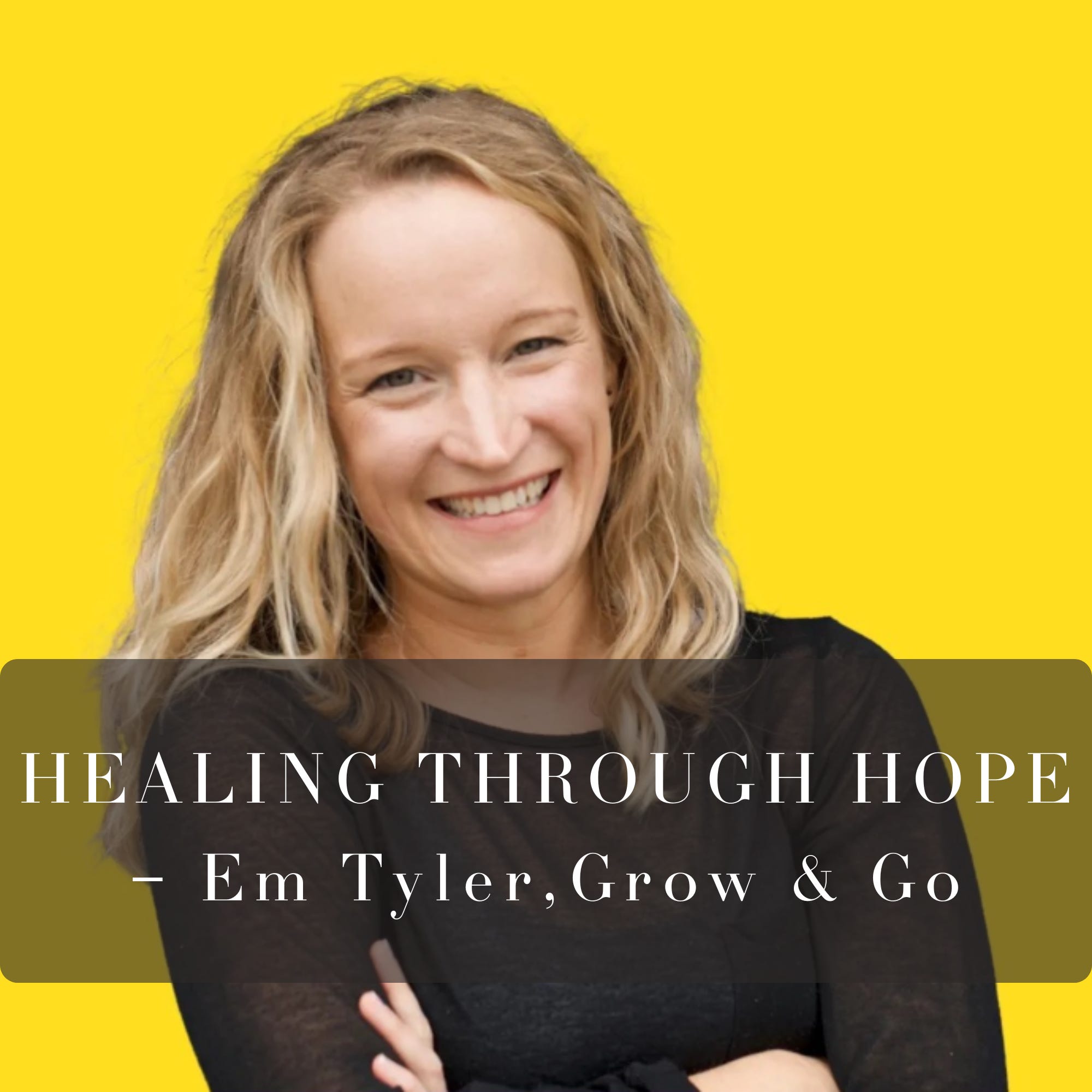
I’ve spent a couple of decades in local church leadership and currently work part-time for a Christian charity focused on equipping and encouraging the local church to impact communities and nations. Much of my work involves gatherings, conferences, festivals, and prayer ministry spaces where healing is often prayed for openly and expectantly. Over the years, I have both witnessed and personally experienced moments where healing came suddenly and miraculously. I have also experienced seasons where the healing being prayed for did not come in the way I hoped or expected.
Those experiences have deeply shaped how I think about healing. Remembering that God is both sovereign and Father changes the posture from which we pray. When we ask for healing grounded in the confidence that God loves us, is for us, and is fully able to heal, it removes the pressure from us to somehow produce the outcome ourselves. Healing is not ultimately about our performance, our wording, or our ability to “get it right.” And when healing does not come in the way we long for, we are still left with the unchanging reality that God is good. That allows us to grieve honestly while continuing to trust Him in the tension of the “not yet” we all live with this side of heaven.
One of the saddest misunderstandings I encounter is the idea that unanswered healing must mean someone lacked faith. I believe that is deeply damaging and simply untrue. Healing is not about praying perfectly or discovering some hidden spiritual formula. It is God’s work. The Holy Spirit heals in His wisdom and timing, and that means the burden does not rest on us. Sometimes healing comes instantly. Sometimes it unfolds slowly over time. Sometimes it comes through medicine, counseling, surgery, community, or practical care. And sometimes ultimate healing waits for eternity. But none of those outcomes change the character of God or His love toward us.
I’m also fascinated by the ways God has designed the human body and mind to participate in healing. From a neuroplasticity perspective, there are remarkable stories of the brain adapting, rewiring, and creating new pathways after trauma or injury. Stroke recovery is one example that continually amazes me. It reminds me that we often underestimate the healing capacities God has already woven into creation. While I try to avoid simplistic or sweeping statements, I do think we sometimes overlook the power of our words, our thoughts, and the agreements we continually make within ourselves. The stories we rehearse, the hope we hold onto, and the truths we return to can shape us more deeply than we realize.
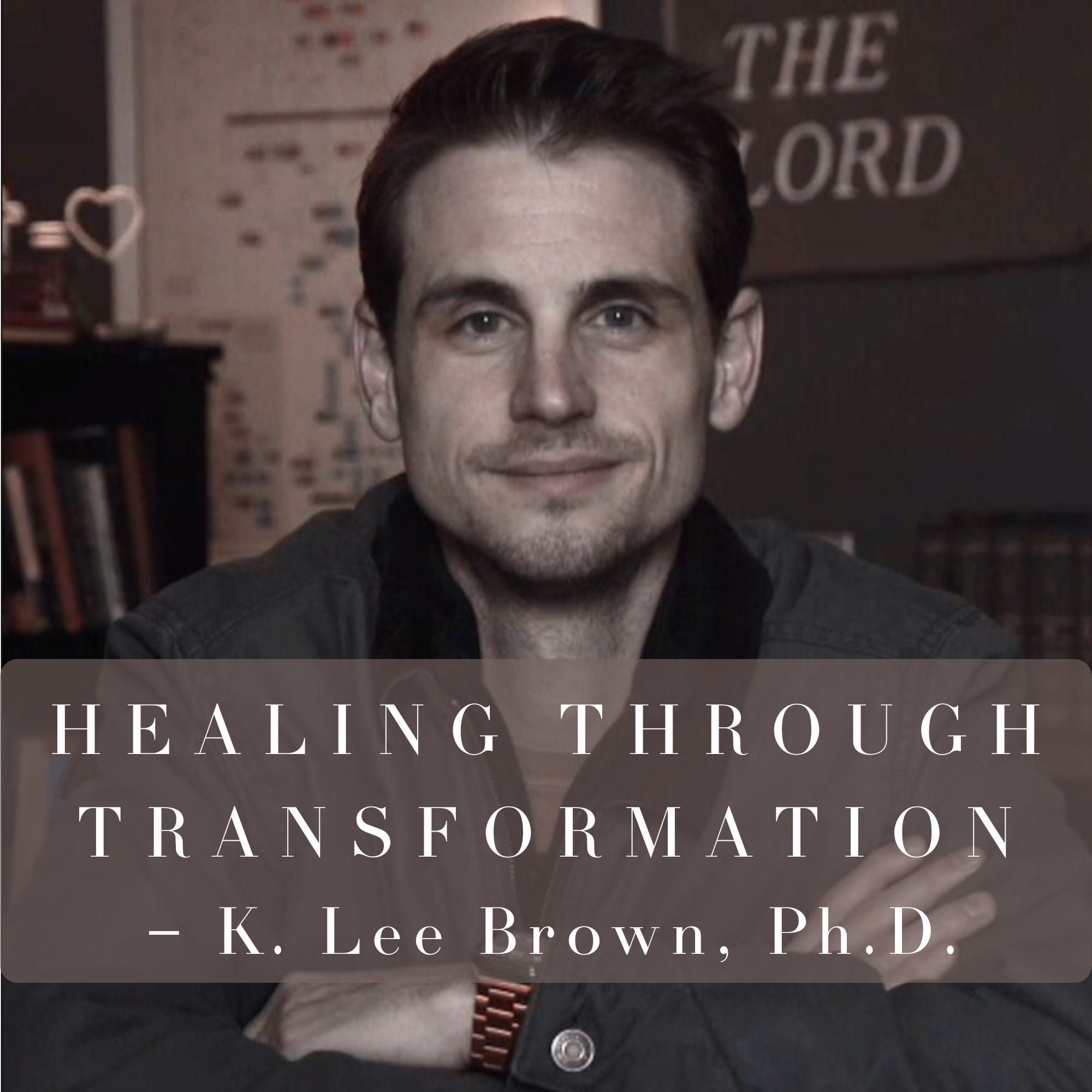
I am a Biblical expositor, counselor, counselor trainer, and professor. I work in both realms of counseling: clinical and pastoral, which I find to be incredibly effective and fulfilling. I view the human as a living soul which is comprised of numerous faculties (e.g. the mind, heart, body etc.). Healing for me is a matter of formation of the human spirit – the process of becoming a whole soul while in a broken world. The process of not getting rid of the storms in life but of becoming the kind of person who can sleep in the midst of them, or in other words, the kind of person who can live abundantly in a world of trouble. I spend much of my time working out, developing, and training counselors on a philosophical approach to care that I’m calling Formation Centered Counseling. It’s my belief that healing is a matter of learning to follow Christ into the transformation He offers in the midst of life’s woes, not learning to escape or merely find relief.
I find that relief is like morphine, it merely impairs your ability to recognize you’re not okay. It’s deceptive in that it may very well cause someone to live their life with a serious wound as long as they can keep medicating or “finding relief”. Transformation, on the other hand, deals with the wound. It goes through the long and very difficult journey of healing and therapy – not to get rid of the wound but to become the kind of person for whom the wound no longer has the power to impair. With relief, the “methods” have the power over the wound, but with transformation, you become the one with power over the wound. It’s my belief that spiritual formation is where we must put our focus and energy in the journey of transformation. It’d take a long time to explain, but in short, the human spirit is the executive center of the entire person – the heart. If the spirit doesn’t undergo fundamental transformation there’s no real hope for any of the other faculties.
Humans cannot heal without surrender of all control or without a clear view of how good God is. Self-reliance, the attempt to control what you can’t control in efforts to keep oneself safe will contribute more to one’s inability to heal than almost anything else. Healing, transformation must be built on the foundation of self-surrender and trust in a good God who intends to act towards your benefit, even in the troubles of this world.
A few days after writing the story that opened this piece, I wrote this in my notes:
I never had the courage to pray for healing.
Yes, I prayed that God would help me with my anxiety disorder—the panic attacks that left me gasping for air on the floor, the constant sense of doom hanging over me.
From the moment I started my relationship with God, I experienced so much healing—freedom from a crippling drug addiction and the ability to rebuild my life.
But the anxiety remained. No matter how much I searched for relief, I didn’t realize that the anxiety was just a symptom, not the root cause.
I had no idea that treating my brain dysfunction would bring the healing I had been longing for.
Now, I’m keeping a list of everything that’s completely different and it just keeps growing.
This morning, I woke up with a smile on my face. I was able to show affection, to give hugs and receive kisses from my husband and the kids.
I walked out of the eye doctor’s office wearing my new glasses without ripping them off in frustration.
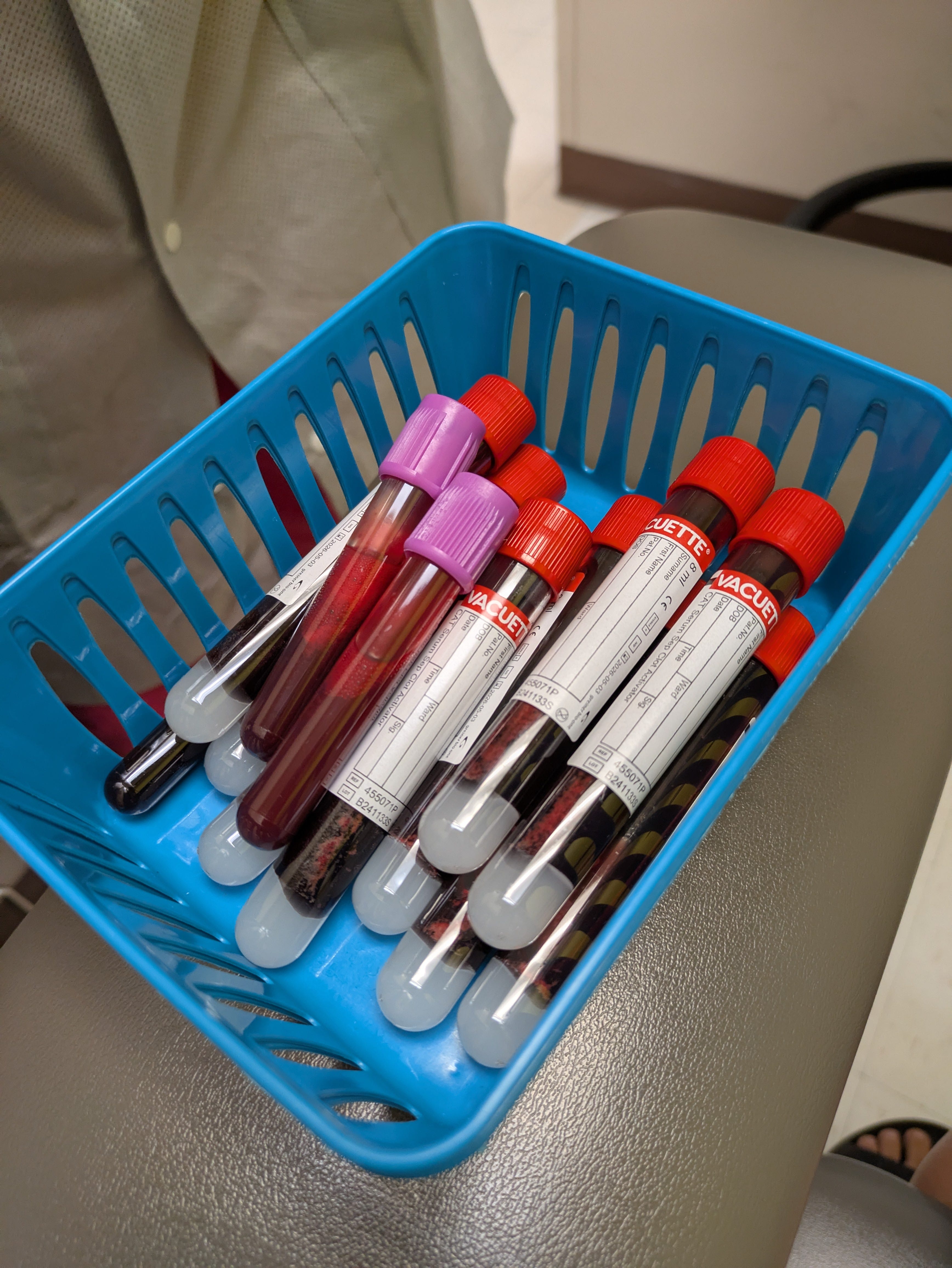
And today, I gave blood.
After a year of failed attempts, appointments filled with endless pokes, and never being able to draw enough, I finally did it.
Some of you have told me you don’t know how I didn’t give up or get bitter. Honestly, I didn’t even realize how bad it was until I felt relief. And no—I’m not angry.
I’m just in awe of a prayer I couldn’t pray being answered.
Continuing the Conversation
If you missed it, here’s Part One on being Wired to Pray. And if you’re new to my publication, here’s a little of my story and all God has done.
This piece only touches part of the conversation around healing. There are still important questions left untouched here. Chronic illness. Grief. Lament. The reality that sometimes healing does not come the way we hope for this side of heaven. The tension of the “not yet.”
So, if this piece feels clarifying, incomplete, hopeful, unresolved, encouraging, or even tension-filled, that may mean the conversation is not finished yet.
For those wanting to continue thinking through some of the “not yet” tensions around suffering, grief, emotion, embodiment, and spiritual maturity, I’d also highly recommend:
Griffin Gooch’s “Why I’m a Christian, Not a Stoic.”
Em Tyler’s “Finding Beauty in Suffering ”
Kimberly Phinney’s conversation with Tanner Olson, “Getting Through What You’re Going Through”
All three explore different facets of suffering, hope, endurance, and what it means to walk honestly with God through pain.
EMDR (Eye Movement Desensitization and Reprocessing) is a psychotherapy approach commonly used in trauma treatment. See the EMDR International Association overview. Also see The Body Keeps the Score by Bessel van der Kolk. And fun fact: walking involves natural bilateral stimulation through the alternating movement of the body, which may help explain why a simple walk can feel so regulating when we are overwhelmed.
Neurodevelopmental therapy (NDT) is a broad term used for therapies that focus on improving how the brain and body communicate through movement, sensory processing, reflex integration, rhythm, balance, and nervous system regulation. These approaches are often explored in relation to autism, ADHD, dyslexia, sensory processing difficulties, and other neurological or developmental disorders. For broader reading on neurodevelopment and functional disconnection patterns, see Disconnected Kids by Robert Melillo.
Barth, Karl. Church Dogmatics, Vol. III-3. T & T Clark, Edinburgh (1960), p. 242.
Guadagni, Veronica, et al. “The effects of sleep deprivation on emotional empathy.” Journal of Sleep Research 23, no. 6 (2014): 657–663. doi:10.1111/jsr.12192
Hill, Terrence D., et al. “Religious involvement as a social determinant of sleep: an initial review and conceptual model.” Sleep Health 4, no. 4 (2018): 325–330. doi:10.1016/j.sleh.2018.04.001
Walker, Matthew P, and Robert Stickgold. “Sleep, memory, and plasticity.” Annual review of psychology vol. 57 (2006): 139-66. doi:10.1146/annurev.psych.56.091103.070307
 | A guest post by
|
 | A guest post by
|
 | A guest post by
|
 | A guest post by
|
 | A guest post by
|
so much nourishment here. Thank you all.🕊️ I will be reading this over and over again.
Great read